
Tag: economy
-
A $50K Salary In 1980 Could Be Equivalent To Roughly $250K Today

A growing conversation around affordability and generational wealth is gaining attention online after comparisons showed how far a middle-class salary once stretched compared to today. According to inflation calculators and historical economic data, a $50,000 salary in 1980 could be roughly equivalent to earning around $250,000 annually today depending on the inflation measure used. The…
-
Canada Hits Worst Insolvency Levels Since The Financial Crisis – Here’s What It Could Mean For Canadians

Canada is seeing its highest insolvency levels since the 2009 financial crisis, according to new data from the Canadian Association of Insolvency and Restructuring Professionals (CAIRP) and the Office of the Superintendent of Bankruptcy (OSB). More than 37,000 Canadians reportedly filed for insolvency during the first three months of 2026 alone – averaging roughly 17…
-
Canada’s Federal Debt Could Reach $2.9 Trillion by 2030

Canada’s federal debt is projected to reach nearly $2.9 trillion by 2030, according to a new analysis highlighted by the Fraser Institute following the federal government’s latest fiscal update. The projection comes as the federal government forecasts another large deficit this year, with additional deficits expected over the coming years. Canada Is Projecting Another Major…
-
Bank of Canada Expected to Hold Rates at 2.25% on April 29, 2026
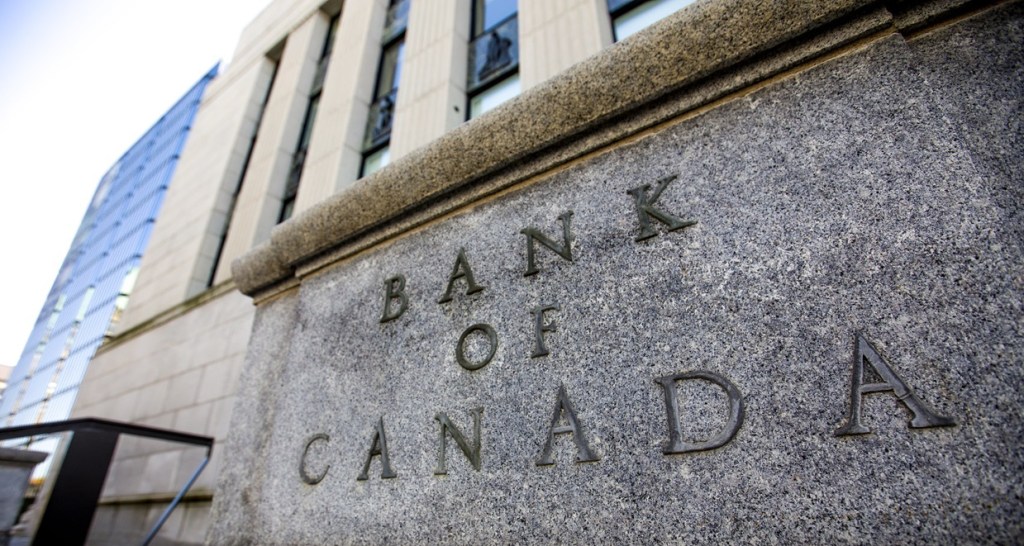
Canada’s interest rate outlook is coming into sharper focus, with economists expecting the Bank of Canada to hold its key policy rate steady. With inflation still within target and economic uncertainty lingering, the central bank is showing little urgency to either cut or raise rates in the near term. Rates Expected to Hold Around Current…
-
Gas Prices Just Spiked – Here’s Why That Could Hurt Homebuyers
Canada’s housing outlook just took another unexpected turn. After months of cooling inflation and expectations that mortgage relief was on the way, a sudden surge in gas prices is now threatening to reverse that trend and put pressure back on borrowers. According to BMO Capital Markets, gas prices jumped roughly 21% in March, marking the…
-
Canada’s Household Debt Crisis: Now 2nd Highest in the OECD

Canada’s household debt problem is no longer just a concern. It is now among the worst in the developed world. New data from the Organisation for Economic Co-operation and Development (OECD) shows Canada has climbed to 2nd place among OECD countries for household debt relative to GDP, sitting at approximately 103% of GDP. Only Switzerland ranks higher. This puts…
-
Bank of Canada Warns the Next 5 Years Could Be Turbulent
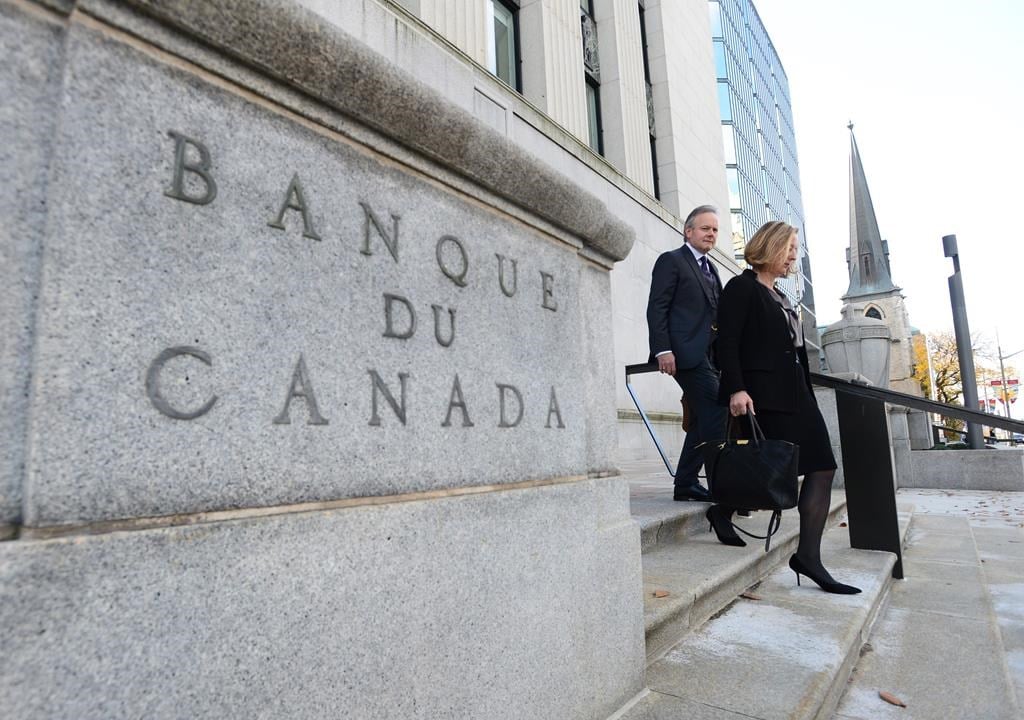
Canada’s economic outlook is entering a new phase of uncertainty, and it could have direct implications for the housing market. In a recent address, Carolyn Rogers of the Bank of Canada warned that the country is facing long-term structural changes that will be difficult to manage and could reshape the economy for years to come.…
-
Bank of Canada Rate Forecast for March 18, 2026: What Economists Expect
Canada’s housing market and borrowing costs are influenced by the Bank of Canada’s policy rate, currently at 2.25%. Economists expect the bank to hold rates steady in the March 18, 2026 announcement due to stabilizing inflation and moderate economic growth. Future decisions will depend on key economic indicators like inflation and GDP.
-
Canadian Home Prices Fall to $652,941 as Sales Drop 12.5% to Start 2026

February 21, 2026 Canada’s housing market opened 2026 with weaker sales, falling prices, and rising listings, a combination that is slowly shifting negotiating power back toward buyers in several regions. According to WOWA’s latest update (last updated February 19, 2026), the national average home price declined to $652,941 in January 2026, while sales fell sharply…
-
What You Can Buy In Toronto At Different Budgets Right Now

Whether you are a first-time buyer or moving up the property ladder, here is a breakdown of what different budgets currently buy across the city as of February 15, 2026. This guide covers condos, townhomes, and detached homes so you can see how far your budget goes in today’s market. Click on the links to…

