
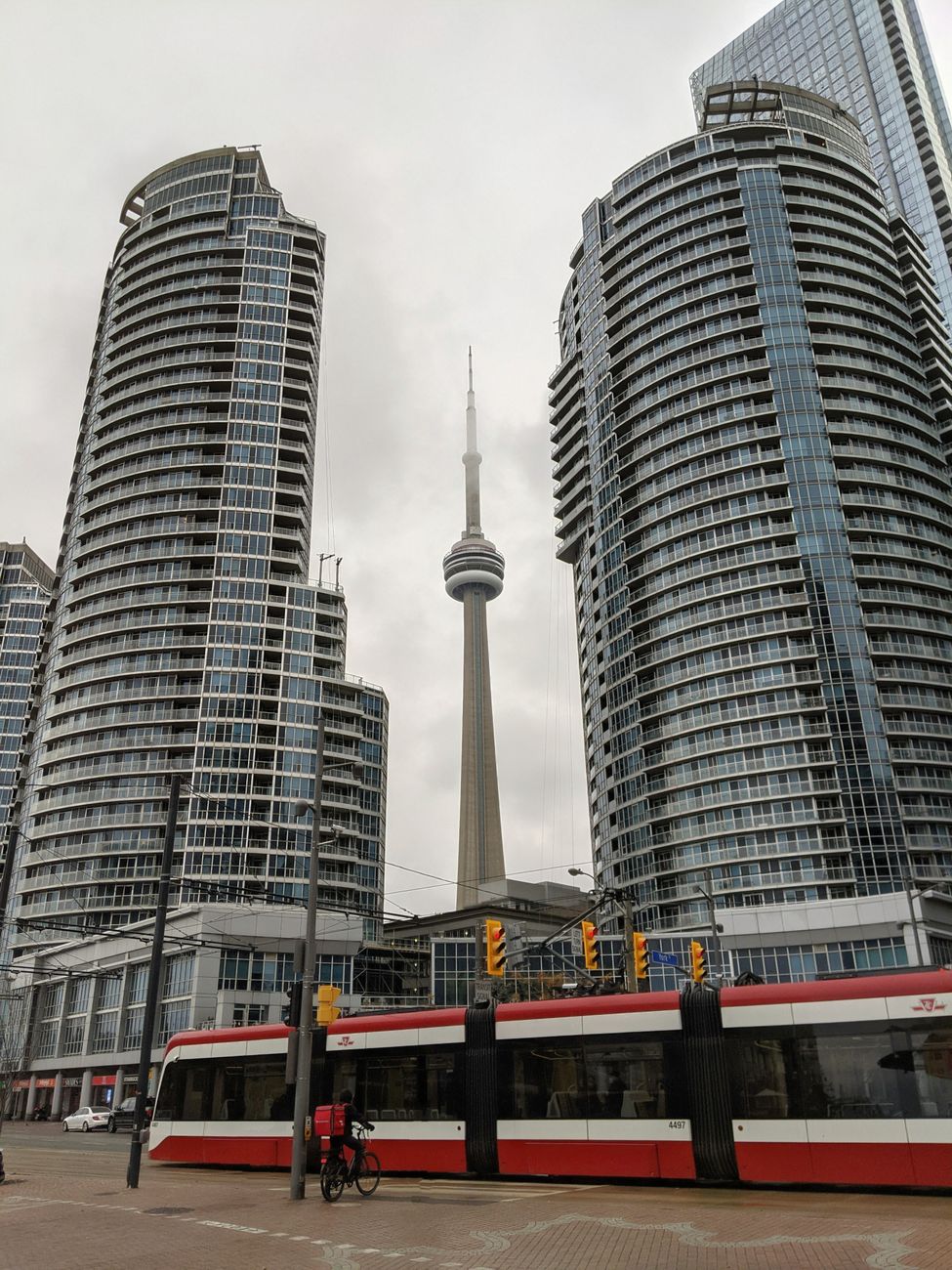
Toronto’s struggling condominium market is seeing a surprising shift, with investment groups accounting for nearly half of all new condo sales across the Greater Toronto and Hamilton Area (GTHA) during the third quarter of 2026.
According to the latest report from real estate research firm Urbanation, bulk investors purchased 339 new condominium units during Q3, representing approximately 45% of all new condo sales in the region.
Even more surprising, these investors are reportedly securing units at discounts averaging 40% compared with their original selling prices.
The numbers highlight just how dramatically Toronto’s condominium market has changed as developers struggle with weak pre-construction demand, elevated inventory, and challenging financing conditions.
Investors Account for 45% of New Condo Sales in the GTHA
Urbanation reported just 760 new condominium sales across the Greater Toronto and Hamilton Area during the third quarter of 2026.
Of those transactions, 339 units were purchased through bulk investment deals.
These purchases accounted for approximately 45% of total new condo sales, demonstrating the increasingly significant role institutional and other large-scale investors are playing in the market.
Unlike individual buyers purchasing one condominium at a time, bulk investors can negotiate the purchase of multiple units simultaneously.
For developers looking to reduce inventory, these transactions can provide an opportunity to sell numerous units through a single agreement.
However, the discounted prices associated with these deals also highlight the pressure facing some developers.
Some Investors Are Purchasing Condos at 40% Discounts
One of the most striking findings in Urbanation’s report involves the prices investors are paying.
Bulk condominium purchases averaged approximately $763 per square foot during Q3 2026.
According to Urbanation, that represents an average discount of approximately 40% compared with the original selling prices of units in the same buildings.
These discounts do not necessarily mean that individual homebuyers can purchase comparable condos at 40% below current market value.
Instead, they illustrate how developers are negotiating large transactions relative to prices originally established for those projects.
For investors with sufficient capital, the current environment may present opportunities to acquire properties at significantly lower prices than previously advertised.
Toronto’s Pre-Construction Condo Market Continues to Struggle
Despite increased activity from bulk investors, the broader pre-construction condominium market remains extremely weak.
Urbanation reported that just 60 pre-construction condominium units were sold throughout the GTHA during the third quarter.
That represents a 61% decline compared with the same period in 2025.
Pre-construction sales are particularly important because developers often rely on them to secure financing and move projects toward construction.
When buyers are unwilling to commit to purchasing units years before completion, developers can face additional difficulties launching new developments.
The slowdown raises concerns about the future condominium construction pipeline and the availability of new housing in the coming years.
New Condo Sales Have Doubled, But Remain Historically Low
At first glance, the latest numbers appear to suggest a recovery.
Urbanation reported that total new condominium sales doubled compared with the third quarter of 2025.
However, the increase comes from an exceptionally weak period, and overall activity remains approximately 78% below the 10-year quarterly average.
The growing contribution from bulk investment transactions also means the headline increase does not necessarily reflect a comparable improvement in demand from individual homebuyers.
This distinction is important when evaluating whether Toronto’s condominium market is beginning to stabilize.
More Than 5,000 Completed Condos Remain Unsold
Inventory continues to be another major challenge.
Urbanation reported approximately 5,127 completed but unsold new condominium units across the GTHA.
These properties represent homes that have already been constructed but have not yet been sold by developers.
Large amounts of completed inventory can create financial pressure for developers, particularly when projects carry ongoing financing, maintenance, and operating costs.
Bulk sales may help reduce that inventory, although they can also require developers to accept lower prices.
What Does This Mean for Toronto Homebuyers?
For prospective condominium buyers, the latest report presents a complicated picture.
On one hand, weak demand and elevated inventory may create more negotiating opportunities, particularly for buyers interested in newly completed units.
On the other hand, the substantial discounts being offered to bulk investors are not necessarily available to individual purchasers.
Buyers should also consider factors such as condominium fees, property taxes, mortgage qualification requirements, and the financial health of individual condominium corporations.
The availability of discounted bulk transactions does not automatically mean every condominium development is experiencing the same market conditions.
Could Bulk Investors Help Toronto’s Condo Market Recover?
Bulk investment purchases could provide short-term relief for developers struggling to sell completed condominium units.
By reducing inventory and generating revenue, these transactions may help developers manage financial obligations and move forward with other projects.
However, they do not necessarily indicate that traditional buyer demand has returned.
A sustained recovery would likely require stronger demand from individual purchasers, improved affordability, and greater confidence in the pre-construction market.
There are also longer-term questions about how concentrated ownership of condominium units could affect Toronto’s housing market, particularly if large investment groups continue acquiring significant numbers of properties.
What’s Next for Toronto’s Condo Market?
Urbanation’s third-quarter findings reveal a condominium market undergoing significant changes.
While overall new condo sales have increased compared with last year, much of that activity is being driven by bulk investment purchases at substantial discounts.
Meanwhile, pre-construction sales remain historically weak, and thousands of completed units are still waiting for buyers.
For Toronto’s housing market, the coming quarters will help determine whether bulk purchases represent an early stage of stabilization or simply a temporary response to continued weakness in the condominium sector.
One thing is clear: the dynamics of Toronto’s new condominium market look very different from those seen during the height of the housing boom.
References
Urbanation. (2026, October 19). GTHA new condo sales double from a year ago in Q3. Read the original report.


Leave a Reply