
Tag: economy
-
Canadian Household Wealth Just Hit $19.1 Trillion, But Most Financial Assets Are Owned By The Richest 20%

Canadian households are collectively wealthier than ever, but new data shows those gains are far from evenly distributed. Household net worth in Canada climbed to a record $19.1 trillion in the second quarter of 2026, according to new Statistics Canada data released September 11. That was a 2.9% increase in just three months, driven largely…
-
These Ontario Housing Markets Have Seen Some Of Canada’s Biggest Price Drops

Home prices are still falling across several Ontario housing markets, and some cities are now seeing among the biggest year-over-year price declines in Canada. New data from the Teranet-National Bank House Price Index shows home prices fell from a year earlier in several major Ontario markets in August 2026, with declines approaching 9% in some…
-
The Bank Of Canada Just Warned Interest Rates Could Go Up More Than Once
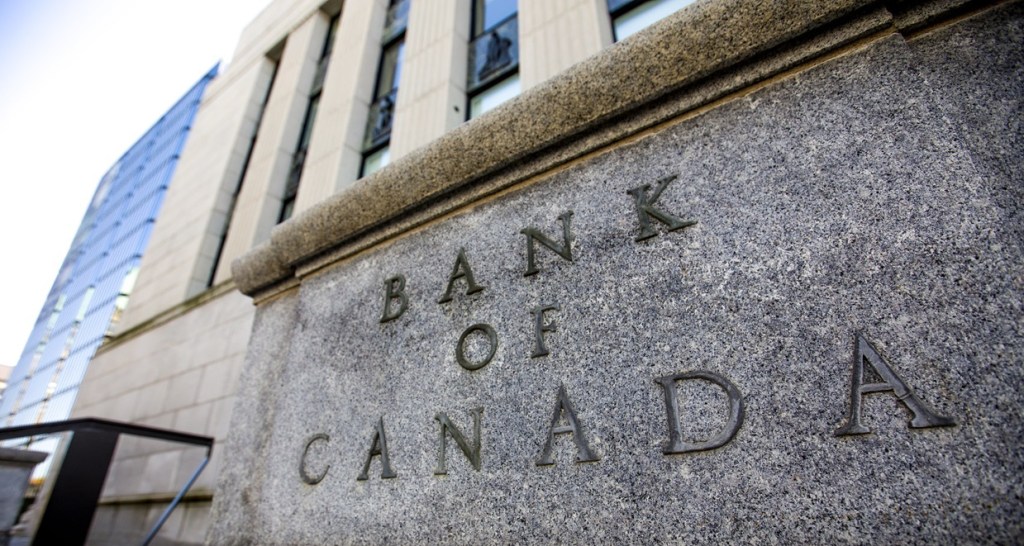
Canadians who have been waiting for interest rates to fall could be in for a surprise, because the Bank of Canada is now warning that rates may need to go up again. The Bank of Canada held its policy interest rate at 2.25% on September 2, keeping it unchanged for another meeting. But what Governor…
-
Canada’s Housing Market Has Now Seen Its Largest Price Correction In History

Canada’s housing market has experienced one of the most dramatic booms in history, and according to new data, it’s now experiencing its largest correction on record. New figures from the Bank for International Settlements (BIS) show national home prices have fallen significantly since peaking in early 2022. Once inflation is factored in, prices have dropped…
-
Ontario Consumer Insolvencies Hit Highest Level Since The Financial Crisis

Consumer debt stress continues to climb across Ontario, and new data suggests financial pressures are reaching levels not seen since the aftermath of the 2008 Global Financial Crisis. According to the latest figures from the Office of the Superintendent of Bankruptcy (OSB), Ontario recorded its second-highest number of consumer insolvencies ever for the month of…
-
Bank of Canada Expected To Hold Rates This Week. Here’s What It Means For Ontario Homebuyers
All eyes will be on the Bank of Canada this Wednesday as policymakers announce their latest interest rate decision, a move that could influence mortgage rates, homebuyer confidence, and the direction of Ontario’s housing market. While many prospective buyers have been hoping for another rate cut, economists overwhelmingly expect the central bank to leave its…
-
Canadians Are Fleeing the Country at the Highest Rate in Over 70 Years

Canada is experiencing record levels of emigration, with new data showing more citizens and permanent residents are leaving the country than at any point in over seven decades. According to Statistics Canada, an estimated 30,092 Canadians emigrated during the first quarter of 2026. The figure represents a 0.9% increase from the same period last year…
-
Canadian Household Debt Is Becoming Even More Concentrated in Mortgages

Canadian household debt continues to climb, but new data suggests the bigger issue may be where that debt is concentrated. According to Statistics Canada data highlighted by Better Dwelling, Canadian household debt reached $3.24 trillion in March 2026, with mortgage debt making up nearly three-quarters of the total. Household Debt Hit $3.24 Trillion Canadian households…
-
Canadian Mortgage Rates Could Climb as Bond Yields Hit Highest Level Since 2010

Canadian mortgage borrowers may be facing renewed rate pressure, even as underlying inflation shows signs of cooling. According to BMO commentary highlighted by Better Dwelling, long-term Government of Canada bond yields have climbed to their highest level since 2010, raising concerns that borrowing costs could remain elevated or move higher. Long-Term Bond Yields Hit a…
-
Canadian Homeowners Have Lost Nearly 20% of Home Value Since 2022 Peak

Canada’s housing market downturn has now erased a significant portion of the gains seen during the pandemic-era housing boom. According to recent housing market analysis and benchmark price data, many Canadian homeowners have seen home values fall nearly 20% from peak levels reached in early 2022 as higher interest rates and weaker buyer demand continue…

