
Category: alberta
-
CMHC Says Development Charges Can Add Over $100K to New Homes

New homes in Canada are expensive for many reasons, from land costs and labour shortages to financing, materials, and taxes. But one cost is getting more attention from housing experts: development charges. According to Canada Mortgage and Housing Corporation, development charges can add $40,000 to more than $100,000 to the cost of a new home…
-
Canadian Housing Starts Fell 6% in May as Supply Concerns Continue

Canada’s housing construction pulled back in May, raising fresh questions about whether the country is building enough homes to improve affordability. According to Reuters, citing new data from Canada Mortgage and Housing Corporation, Canadian housing starts fell 6% in May from the previous month. The seasonally adjusted annualized rate dropped to 261,377 units, down from…
-
What the Bank of Canada’s Latest Rate Hold Means for Housing
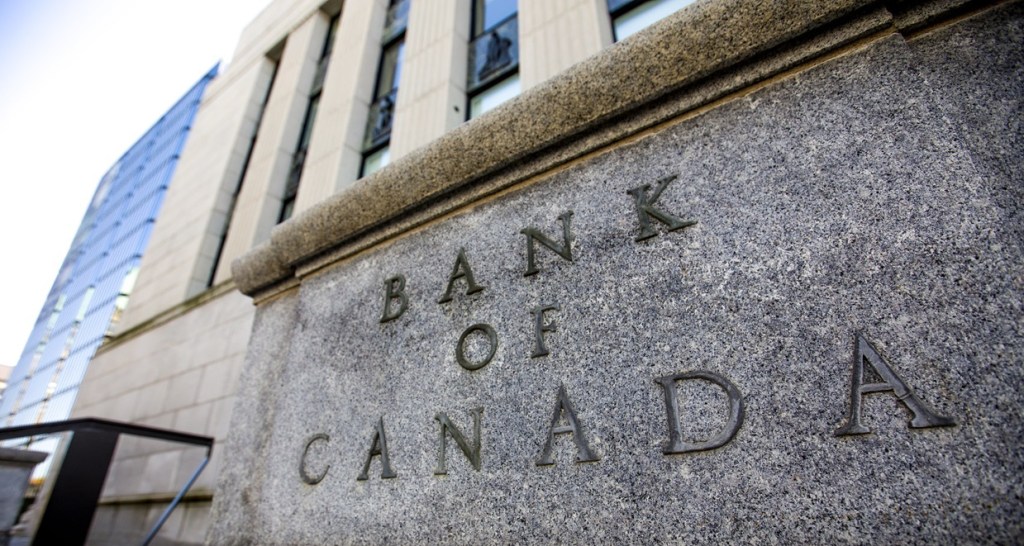
The Bank of Canada has held interest rates steady again, leaving many Canadian homebuyers wondering whether mortgage relief is actually coming this year. On June 10, 2026, the Bank of Canada held its target for the overnight rate at 2.25% for the fifth consecutive meeting. The Bank Rate remains at 2.5%, while the deposit rate…
-
Canadian Household Debt Is Becoming Even More Concentrated in Mortgages

Canadian household debt continues to climb, but new data suggests the bigger issue may be where that debt is concentrated. According to Statistics Canada data highlighted by Better Dwelling, Canadian household debt reached $3.24 trillion in March 2026, with mortgage debt making up nearly three-quarters of the total. Household Debt Hit $3.24 Trillion Canadian households…
-
Cheapest Places to Live in Alberta in 2026

As housing affordability continues to deteriorate across much of Canada, Alberta remains one of the last provinces where buying a home on a middle-class income still feels realistic. While prices in Calgary and Edmonton have climbed sharply over the past two years, several Alberta communities remain surprisingly affordable – especially for first-time buyers, remote workers,…
-
Canadian Mortgage Rates Could Climb as Bond Yields Hit Highest Level Since 2010

Canadian mortgage borrowers may be facing renewed rate pressure, even as underlying inflation shows signs of cooling. According to BMO commentary highlighted by Better Dwelling, long-term Government of Canada bond yields have climbed to their highest level since 2010, raising concerns that borrowing costs could remain elevated or move higher. Long-Term Bond Yields Hit a…
-
Canadian Home Prices Are Near Record Highs in All but 2 Provinces

Canada’s national housing market may look like it has gone through a major correction, but new data suggests that most provinces have barely seen prices pull back from record highs. According to Canadian Real Estate Association (CREA) data highlighted by Better Dwelling, home prices rose in nearly every province in April 2026. While the national…
-
Canadian Homeowners Have Lost Nearly 20% of Home Value Since 2022 Peak

Canada’s housing market downturn has now erased a significant portion of the gains seen during the pandemic-era housing boom. According to recent housing market analysis and benchmark price data, many Canadian homeowners have seen home values fall nearly 20% from peak levels reached in early 2022 as higher interest rates and weaker buyer demand continue…
-
Calgary Ranked One of the Happiest Cities in the World in New Global Index

Calgary has officially been ranked one of the happiest cities on Earth according to a new international study measuring quality of life, mobility, healthcare, environment, and overall wellbeing. The city placed 74th globally on the 2026 Happy City Index, making it one of the highest-ranked cities in North America. The ranking is drawing attention online as…
-
A $50K Salary In 1980 Could Be Equivalent To Roughly $250K Today

A growing conversation around affordability and generational wealth is gaining attention online after comparisons showed how far a middle-class salary once stretched compared to today. According to inflation calculators and historical economic data, a $50,000 salary in 1980 could be roughly equivalent to earning around $250,000 annually today depending on the inflation measure used. The…
 Canada Housing Market