
Category: british columbia
-
Bank of Canada Warns Consecutive Rate Hikes Could Return if Oil Prices Stay High
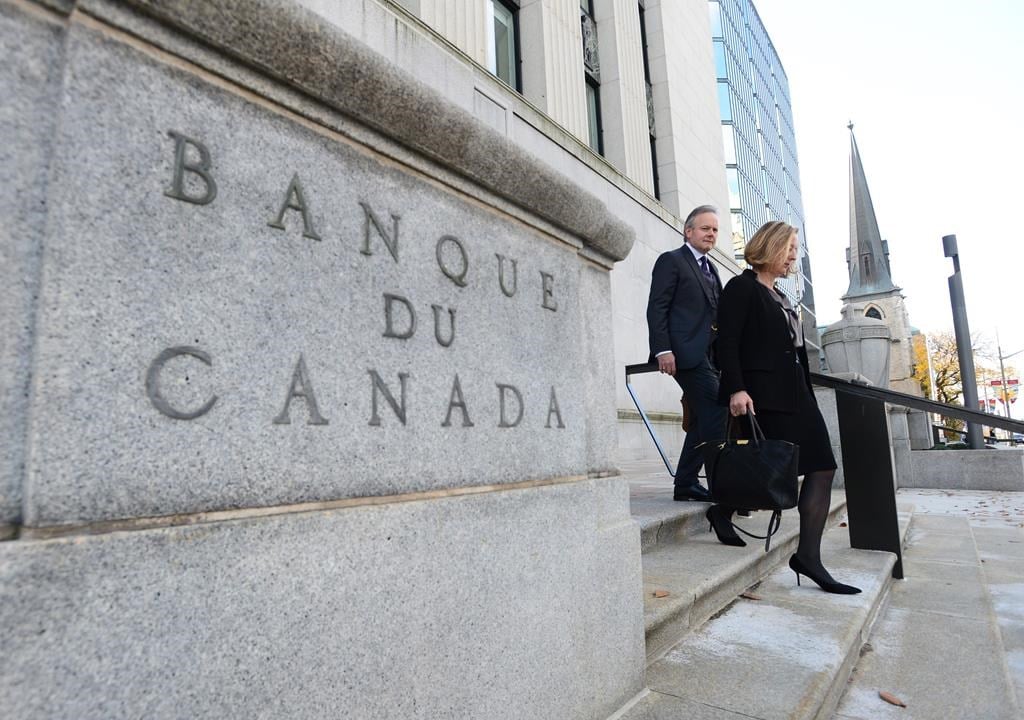
Canada’s interest rate outlook may not be as stable as it seemed just days ago. While the Bank of Canada held its benchmark rate at 2.25%, Governor Tiff Macklem is now warning that rate hikes could return if oil prices continue to surge. Rates Held – But Risks Are Rising The central bank has now held rates steady for the fourth…
-
Bank of Canada Expected to Hold Rates at 2.25% on April 29, 2026
Canada’s interest rate outlook is coming into sharper focus, with economists expecting the Bank of Canada to hold its key policy rate steady. With inflation still within target and economic uncertainty lingering, the central bank is showing little urgency to either cut or raise rates in the near term. Rates Expected to Hold Around Current…
-
Demand Isn’t the Problem – Here’s What’s Blocking Canada’s Housing Market
Canada’s housing market continues to face affordability challenges, but new data suggests the issue may not be a lack of demand. Instead, a growing imbalance between buyers and available housing is emerging, with many Canadians still planning to enter the market despite ongoing constraints. Buyer Demand Remains Strong Recent data shows that 23% of young…
-
Real Brokerage to Acquire RE/MAX in $550M Deal

A major shakeup in the real estate industry is underway, with Real Brokerage announcing plans to acquire RE/MAX in a deal valued at $550 million. Including debt, the total transaction value is estimated at approximately $880 million, marking one of the most significant brokerage mergers in recent years. Deal Structure and Ownership Breakdown Under the…
-
Inflation Just Jumped in Canada – Here’s What It Means for Mortgage Rates
Canada’s inflation rate has moved higher again, adding new uncertainty to the outlook for interest rates and the housing market. The latest data shows inflation rising to 2.4%, with a sharp increase in gasoline prices playing a major role in the jump. Inflation Rises Faster Than Expected New data shows Canada’s inflation rate climbed to…
-
Bank of Canada Just Appointed Two New Deputy Governors – Here’s What It Could Mean for Housing
A new leadership update at the Bank of Canada could have important implications for Canada’s housing market. The central bank has appointed two new deputy governors, signaling continuity in its approach to inflation and monetary policy at a time when interest rates remain the biggest driver of real estate activity. Bank of Canada Appoints Two…
-
Canada’s Spring Housing Market Is Off to a Slow Start in 2026 as Prices Stall

Canada’s housing market is showing signs of slowing again, with new data suggesting the spring season has started weaker than expected. Despite expectations for a rebound, early indicators point to a market that is stabilizing rather than accelerating, with price growth remaining limited and activity still subdued. Home Prices Are Showing Minimal Growth Recent data…
-
Canadian Housing Starts Fall 6% in March, Missing Expectations
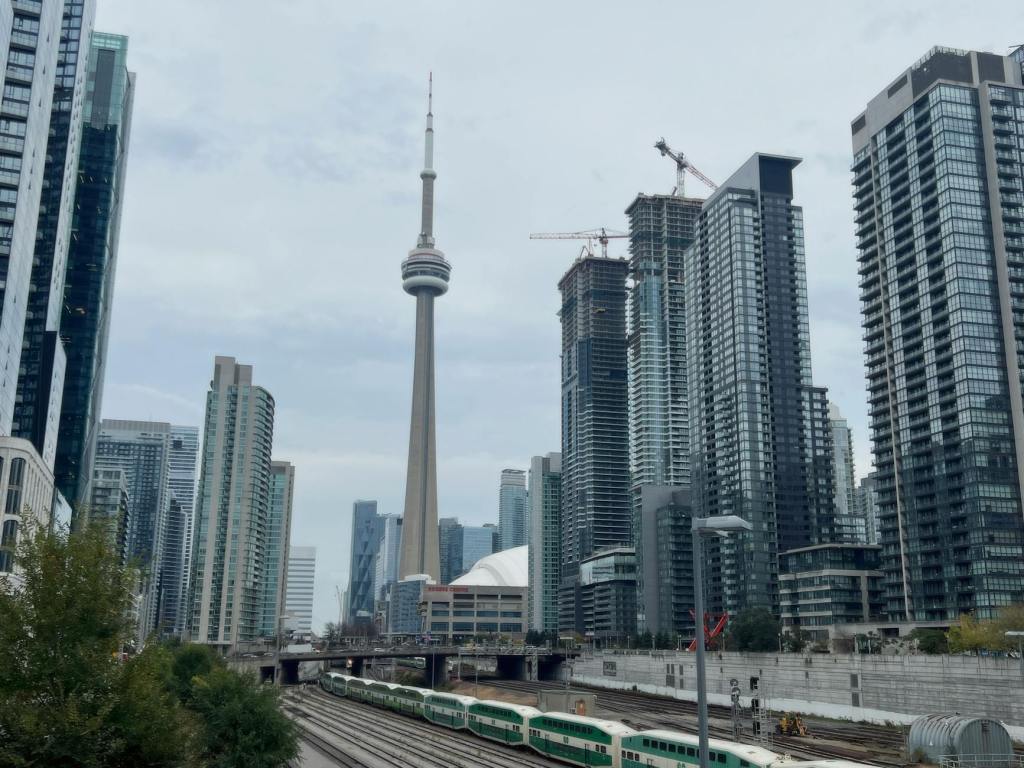
Canada’s housing supply outlook took another hit, with new data showing a decline in construction activity heading into the spring market. According to the Canada Mortgage and Housing Corporation, housing starts fell in March, raising concerns about whether supply can keep up with long-term demand. Housing Starts Decline in March The latest data shows that…
-
CREA Cuts Forecast Again as Canadian Home Prices Expected to Stay Flat for Years

Canada’s housing market outlook has been downgraded again, with new projections suggesting both sales and prices could remain largely stagnant for the next several years. The latest forecast from the Canadian Real Estate Association shows weaker-than-expected activity to start 2026, leading to significant revisions in both sales and price expectations. Home Sales Forecast Slashed for…
-
B.C.’s Housing Market Among Weakest in Canada as Sales and Demand Decline

British Columbia’s housing market is showing significant signs of weakness in 2026, with new data pointing to declining sales, falling demand, and ongoing affordability challenges. A recent outlook from TD Economics has identified B.C. as one of the weakest housing markets in the country, alongside Ontario. Sales Activity Remains Well Below Normal Market activity has…
 Canada Housing Market