
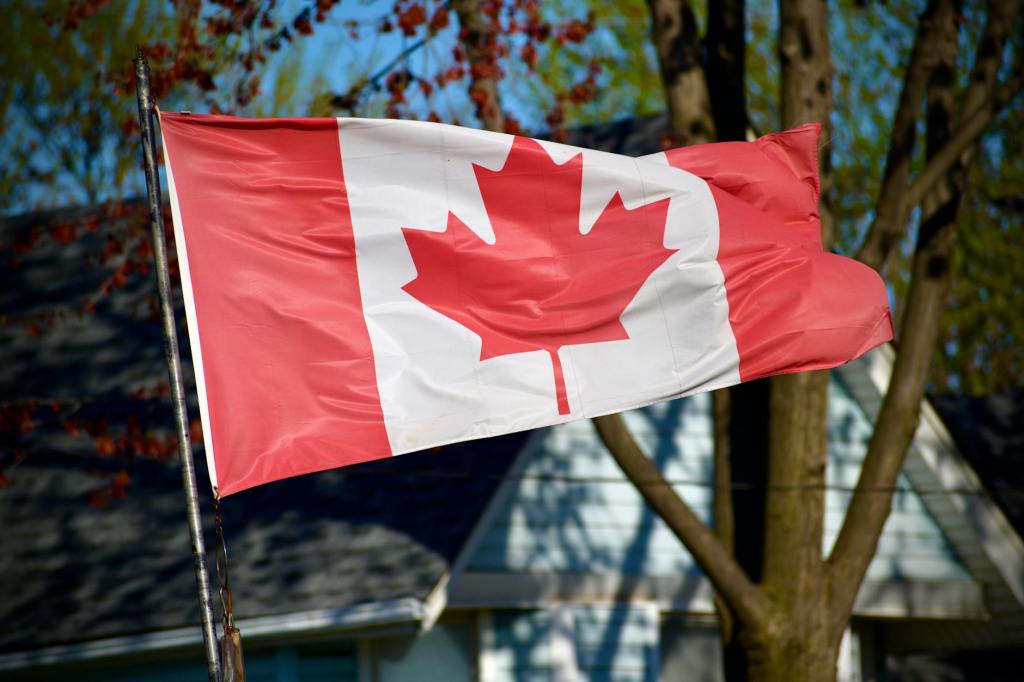
Canada’s housing outlook just took another unexpected turn.
After months of cooling inflation and expectations that mortgage relief was on the way, a sudden surge in gas prices is now threatening to reverse that trend and put pressure back on borrowers.
According to BMO Capital Markets, gas prices jumped roughly 21% in March, marking the largest monthly increase on record.
A Shock That Could Push Inflation Higher
The spike isn’t just about what Canadians are paying at the pump.
Energy prices are a key component of inflation, and this surge is expected to have a meaningful impact.
Economists estimate:
- Gas prices alone could add ~0.7 percentage points to inflation (CPI)
- Combined with other factors, total inflation could rise by ~1.4 percentage points in the coming months
This comes after a period where falling energy prices were helping bring inflation down.
Now, that trend is reversing.
Why This Matters for Mortgage Rates
Even if the Bank of Canada does not immediately raise interest rates, markets are already reacting.
Mortgage rates are heavily influenced by bond yields, not just central bank decisions.
Right now:
- Bond yields are rising again
- Investors are pricing in higher inflation
- Lenders may keep rates elevated longer than expected
This means that even without official rate hikes, borrowing costs may not fall anytime soon.
Higher Costs Are Hitting Buyers From All Sides
The impact goes beyond mortgages.
Higher gas prices also mean:
- Increased transportation costs
- Higher food prices due to supply chain impacts
- Rising construction costs
All of this reduces how much Canadians can afford to spend on housing.
In simple terms:
👉 More money going to essentials = less available for housing
A Shift in the Housing Narrative
Just weeks ago, the expectation was that:
- Inflation would continue easing
- Interest rates could fall
- Housing activity might recover in 2026
Now, that outlook is becoming less certain.
Instead, the market is facing:
- Renewed inflation pressure
- Sticky mortgage rates
- Continued affordability challenges
What This Means for the Housing Market
The gas price shock could have several key effects:
Homebuyers may delay purchases as costs rise and uncertainty increases.
Mortgage rates may stay higher for longer, even without direct rate hikes.
Housing demand could remain soft, especially in already struggling markets like condos.
Construction costs may increase, putting further pressure on new supply.
What This Signals
This is a reminder that Canada’s housing market is not just driven by local policy, it’s deeply connected to global economic forces.
A single external shock, like rising oil prices, can quickly:
- Change inflation expectations
- Shift mortgage rates
- Impact buyer behaviour
For now, the expected housing recovery in 2026 is looking less certain, as new pressures begin to build.
References
Better Dwelling. (2026, April 2). Canadian gas prices see record surge, inflation to follow: BMO. https://betterdwelling.com
BMO Capital Markets. (2026). Economic outlook and inflation estimates.
Bank of Canada. (2026). Monetary policy and inflation framework. Retrieved from https://www.bankofcanada.ca
Statistics Canada. (2026). Consumer Price Index data. Retrieved from https://www.statcan.gc.ca
 Canada Housing Market
Leave a comment