
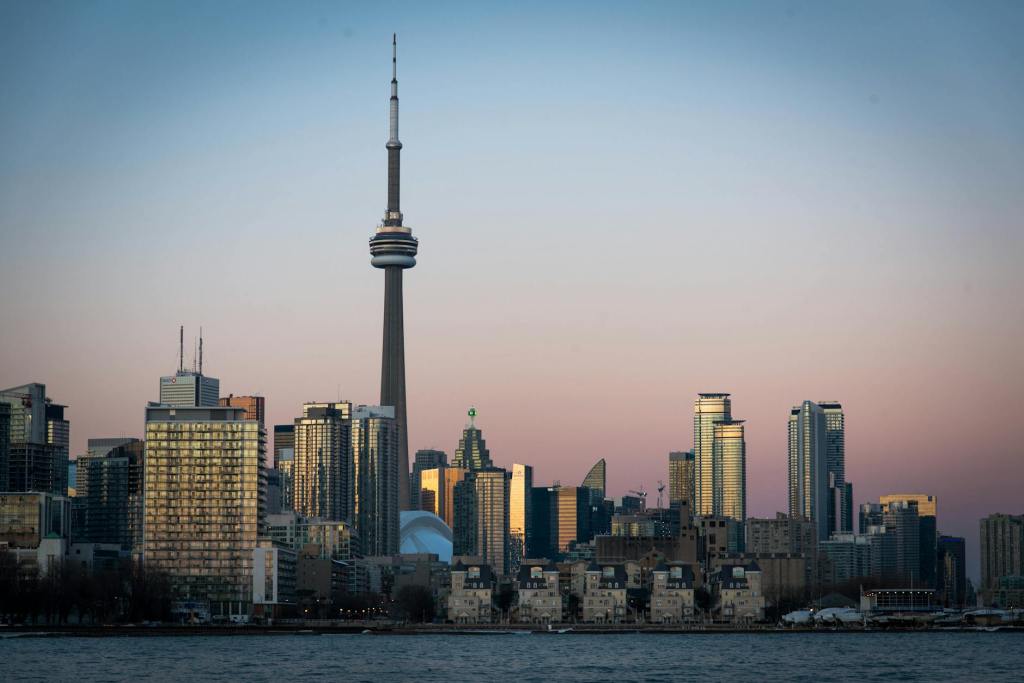
A new report by CivicAction warns that middle-income households in the Greater Toronto and Hamilton Area (GTHA), including essential workers like nurses, teachers, and personal care workers, are being financially squeezed out of the region due to unsustainable housing costs.
Who Are the ‘Invisible Poor’?
The term “invisible poor” refers to middle-income earners making between $40,000 and $125,000 annually, based on Statistics Canada definitions. Despite steady employment, this group is now spending between 45% and 63% of their income on housing– far beyond the recommended 30%.
“A nurse earning $80,000 today would need to make over $200,000 to qualify for a mortgage on an average Toronto home,” says CivicAction CEO Leslie Woo.
Housing Costs Outpace Income
Toronto’s price-to-income ratio has now climbed to 11.8x, meaning a median-income household earning $100,400 would need to allocate nearly 77% of their income to mortgage payments. This is pushing many toward financial precarity- even though they earn too much to qualify for housing support.
Migration and Displacement
Over the past decade:
- 500,000+ residents have moved from the GTHA to more affordable regions like Niagara and Simcoe.
- 31,000+ moved out of province, to areas such as Alberta, Nova Scotia, and New Brunswick.
Commute Dissatisfaction Adds Pressure
A CivicAction survey of middle-income workers commuting 30+ minutes each way found:
- 62% are dissatisfied with their housing or commute
- 67.7% want to make a change
- 39% are considering changing jobs to live closer to work
- Nearly 29% are thinking of relocating to be nearer to their job
Economic Ripple Effects
The housing affordability crisis is not just a personal issue- it’s creating widespread economic strain:
- 29% of local businesses report difficulty attracting talent
- 42% are considering relocation due to housing challenges (Toronto Region Board of Trade)
- Estimated annual economic losses:
- $575M in health care (staffing shortages)
- $320M in education (turnover and subs)
- $230M in emergency services (delayed response)
Congestion is also costing the region. The Canadian Centre for Economic Analysis estimates traffic issues alone have cost the GTHA $10.1B annually over the last decade, suppressing potential GDP growth by 4.9%.
Food Bank Use Highlights Crisis
In 2024, the Toronto Daily Bread Food Bank and North York Harvest reported:
- 3.49 million visits
- 1 in 10 Toronto residents used a food bank
What Can Be Done?
The report recommends:
- Employer-based housing programs
- Municipal tracking of shelter usage
- Collaboration between government, employers, and community agencies
Future reports from CivicAction will explore the math behind the housing mismatch and propose long-term, scalable solutions.
“We need to understand how workers are being affected and make sure our policies actually work for them,” Woo emphasized.
Source: Toronto-area middle-income households getting squeezed out: report
Subscribe to our newsletter:
Get weekly insights on home prices, real estate trends, and breaking news in Canada’s housing market.
Stay informed. Stay ahead.
 Canada Housing Market
Leave a comment