
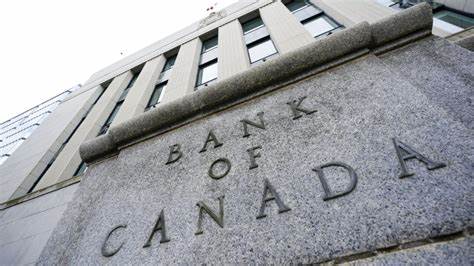
As the Bank of Canada prepares to announce its interest rate decision tomorrow, December 11, 2024, economists across the country are adjusting their predictions. Initially uncertain, many are now leaning towards a 50-basis-point (bps) rate cut, with top institutions like Scotiabank and the Bank of Montreal (BMO) joining the growing consensus. This decision could have significant implications for Ontario’s housing market, affecting mortgage rates, home affordability, and the broader real estate landscape.
Rate Cut Predictions: A Shift in Economic Forecasts
Just a week ago, it was uncertain whether the Bank of Canada would reduce the interest rate by 25 bps or 50 bps. However, following the release of November’s unemployment data, which showed a rise to 6.8%—the highest in nearly eight years—expectations shifted rapidly. Market analysts now predict an 80% chance of a 50-bps cut, with economists like BMO’s Douglas Porter and Scotiabank’s Derek Holt revising their forecasts to reflect this change.
Porter highlighted that the sharp increase in the unemployment rate is a significant indicator that could influence the Bank of Canada’s decision. The higher jobless rate, along with a slower-than-expected recovery in some sectors, has created what Porter refers to as a “solid” argument for a more aggressive rate cut. While he acknowledges the risks, he believes the Bank will likely act swiftly to ease the economic strain.
The Potential Impact on Ontario’s Housing Market
A 50-bps rate cut would bring the Bank of Canada’s benchmark interest rate down to 3.25%, marking a significant shift from the current 3.75% rate. For homebuyers and those refinancing in Ontario, this reduction could provide some much-needed relief. Lower interest rates generally lead to more affordable mortgage payments, helping to ease the burden on prospective homebuyers in Ontario, especially in high-demand areas like Toronto and Ottawa.
For current homeowners, a rate cut could also open up opportunities for refinancing at more favorable terms. This would likely spur more activity in the real estate market, especially as home affordability remains a challenge in many Ontario communities.
However, not everyone is convinced that the Bank will opt for a large cut. Some analysts, like BofA Securities’ Carlos Capistran, are forecasting a smaller 25-bps cut, citing other factors such as the strengthening job market and signs of recovery in key economic areas. Despite the rise in unemployment, the economy gained 51,000 jobs last month, exceeding expectations, which could signal a resilient labor market.
Key Factors Influencing the Rate Cut Decision
The Bank of Canada’s decision to cut rates by 50 bps, if it happens, will likely be influenced by several factors:
- Unemployment Rates: The recent jump in unemployment is a key factor driving the expectation of a rate cut. Economists agree that the Bank of Canada will be closely monitoring job market trends, as rising unemployment can signal a slowdown in economic activity.
- Inflation: Inflation continues to be a concern, with wage growth running at a higher-than-average pace of 4% year-over-year, particularly among government employees. While this poses inflationary pressures, the Bank of Canada may view the current wage composition as less concerning, given its focus on private sector wages.
- Global Economic Conditions: The global economic environment, including potential tariffs from the U.S. and fluctuations in the Canadian dollar, also plays a role. Should U.S. President-elect Donald Trump follow through on trade policies that affect Canada, a larger rate cut could help shield the Canadian economy.
- Housing Market Demand: Ontario’s housing market has faced significant challenges in recent years, with soaring prices in cities like Toronto. A rate cut could ease some of the affordability pressure by making mortgages more accessible, potentially stabilizing the market in the short term.
What This Means for Ontario Homebuyers
For Ontario residents looking to buy a home, the Bank of Canada’s rate cut could provide an opportunity to secure a more affordable mortgage rate. With the housing market in many parts of Ontario still competitive, especially in Toronto, lower interest rates may encourage more people to enter the market, which could increase housing demand in the short term.
However, the long-term effects of a rate cut are more complex. While a lower rate might ease some immediate affordability challenges, it may also contribute to continued upward pressure on home prices, as more buyers enter the market. In the longer term, this could maintain or even increase housing prices in Ontario, particularly in urban centers.
Conclusion: What to Expect from the Bank of Canada’s December Rate Decision
With economists shifting their forecasts and markets pricing in a 50-bps cut, tomorrow’s rate decision could be a crucial turning point for Ontario’s housing market. Whether you’re a first-time homebuyer, a homeowner considering refinancing, or simply watching the real estate market, the effects of a rate cut could be significant.
Stay tuned to updates from the Bank of Canada, as their decision will shape the direction of the housing market in the coming months. Whether you’re planning to buy or sell, understanding the impact of rate changes will be key to navigating Ontario’s ever-evolving housing landscape.
References:
- Posthaste: Why top economists are changing their Bank of Canada rate cut forecast (Pamela Heaven, Dec 09, 2024, Financial Post)
- BMO Capital Markets
- Scotiabank Economics
- BofA Securities
- Capital Economics
- National Bank of Canada
 Canada Housing Market
Leave a comment