
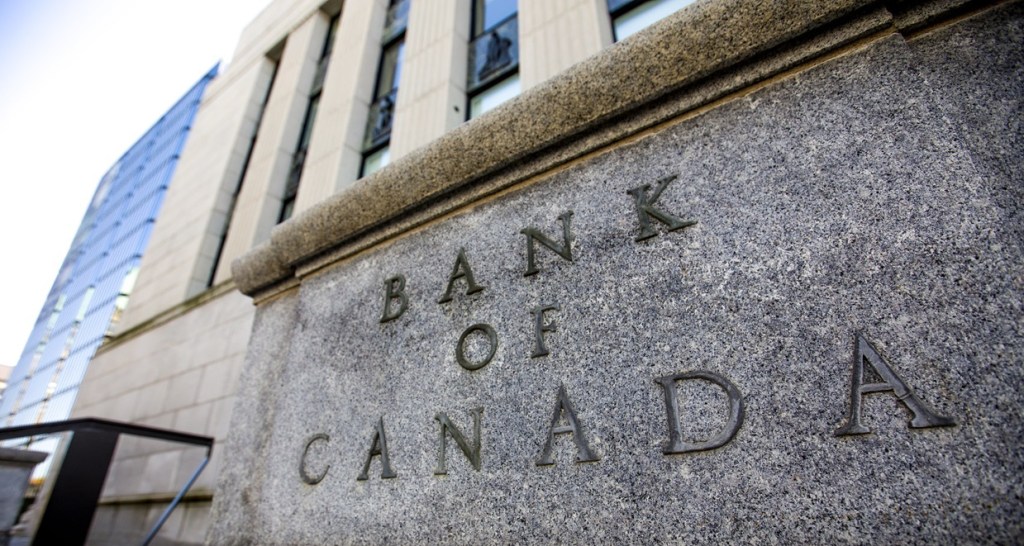
After months of optimism around falling interest rates, a new narrative is emerging across Canada’s housing market and it could catch buyers and homeowners off guard.
Financial markets are now pricing in the possibility that the Bank of Canada may not only delay rate cuts, but could raise interest rates again in 2026. For a housing market already struggling with affordability, this shift could have major implications.
Rate Hike Expectations Are Back on the Table
At the start of 2026, many Canadians expected relief. Inflation had cooled, and rate cuts seemed like the next logical step.
That outlook is now changing.
Market forecasts suggest up to 0.75 percentage points in potential rate hikes this year, reversing earlier expectations of easing monetary policy. While no hikes have been announced, the shift in sentiment alone is enough to impact mortgage rates, buyer confidence, and overall housing activity.
This matters because mortgage rates are forward-looking, meaning even the expectation of higher rates can push borrowing costs up.
Why the Bank of Canada Is Holding For Now
The Bank of Canada has so far kept its benchmark rate steady, but recent commentary suggests growing concern around inflation risks.
One of the biggest drivers is energy prices.
A rise in global oil prices could push inflation back above the 3 percent range, complicating the central bank’s path forward. If inflation proves sticky, policymakers may be forced to keep rates higher for longer or even increase them again.
For the housing market, that means:
- Delayed affordability relief
- Higher borrowing costs
- Continued pressure on buyers
What This Means for Mortgage Rates
Even without an official rate hike, mortgage rates could rise in the near term.
Fixed mortgage rates in Canada are heavily influenced by bond yields, which react quickly to economic expectations. As markets adjust to the possibility of prolonged or higher rates, lenders may begin pricing that risk into mortgages.
For buyers and homeowners, this could mean:
- Less purchasing power
- Higher monthly payments
- Increased qualification difficulty
A Market Already Under Pressure
Canada’s housing market is still in a fragile state.
Sales activity remains subdued in many regions, while affordability continues to be one of the biggest barriers for buyers. The expectation of falling rates was one of the few factors supporting confidence heading into 2026.
If that expectation disappears, demand could weaken further.
At the same time, some sellers may hold off listing their homes, waiting for more favourable conditions, creating a continued stalemate environment in the market.
Why This Could Be a Shock for Buyers
The biggest risk is not just higher rates. It is the sudden shift in expectations.
Many buyers:
- Delayed purchases waiting for rate cuts
- Budgeted based on lower future borrowing costs
- Expected improved affordability in 2026
If rates move in the opposite direction, it could reset the market again, both psychologically and financially.
What This Signals for Canada’s Housing Market
The idea that rate cuts are guaranteed is quickly fading.
Instead, Canada may be entering a period of prolonged uncertainty, where interest rates remain elevated and move unpredictably based on inflation data and global economic conditions.
For the housing market, this signals:
- A slower, more uneven recovery
- Continued affordability challenges
- Increased importance of timing and strategy for buyers and sellers
While a major downturn is not guaranteed, expectations for a quick rebound may need to be adjusted.
References
Bank of Canada. (2026). Monetary policy reports and rate decisions. Retrieved from https://www.bankofcanada.ca
Reuters. (2026, March 20). Money markets raise Bank of Canada 2026 rate hike bets by 75 basis points | Reuters
Reuters. (2026, March 18). Bank of Canada expected to hold rates, may flag inflation risks of oil shock.
Statistics Canada. (2026). Consumer Price Index (CPI) data. Retrieved from https://www.statcan.gc.ca
 Canada Housing Market
Leave a comment