
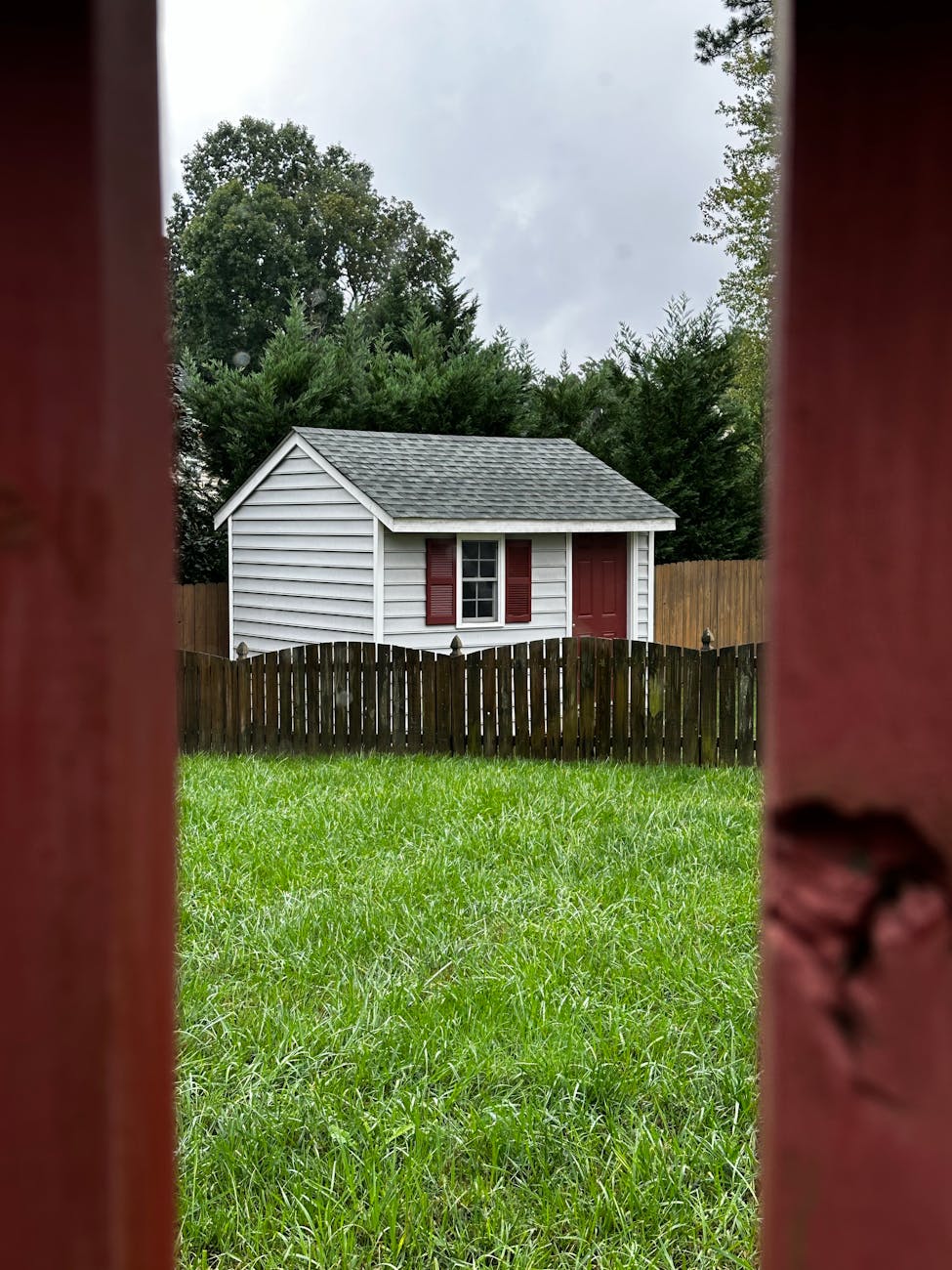
As Canada’s housing affordability crisis continues to strain households, urban planners and policymakers are increasingly turning their attention to one overlooked solution – secondary suites.
Basement apartments, garden suites, and laneway homes could add thousands of new housing units across Canadian cities without requiring large-scale new developments or major infrastructure expansion.
Housing experts say these smaller units could become an important part of Canada’s strategy to address the country’s growing housing shortage.
Canada’s Housing Supply Gap Is Massive
Canada faces one of the largest housing shortages among developed economies.
According to the Canada Mortgage and Housing Corporation (CMHC), the country needs to build approximately 3.5 million additional homes by 2030 to restore affordability to levels seen in 2004.
Closing that gap will require multiple approaches – from high-rise development to missing middle housing.
Secondary suites could play a meaningful role in expanding supply.
Hundreds of Thousands of Properties Could Add Units
A 2025 analysis from the University of Toronto’s School of Cities found the Greater Toronto Area contains more than 400,000 single-family and semi-detached lots that could potentially support a garden suite or basement apartment.
Even if only a small percentage of those homes added secondary units, the result could be tens of thousands of new housing units across the region.
Urban planners say this approach allows cities to increase density gradually within existing neighbourhoods instead of relying entirely on new large developments.
Secondary Suites Are Much Cheaper to Build
One reason secondary suites are gaining attention is their relatively low construction cost.
Typical costs range between:
- $150,000 to $350,000 to build a secondary unit
That is significantly cheaper than constructing a new condominium unit in major cities like Toronto, Vancouver, or Ottawa.
For homeowners facing higher mortgage payments in today’s interest rate environment, a rental suite can also provide additional income that helps offset housing costs.
Ontario Already Took a Major Policy Step
Ontario introduced major zoning reforms in 2022 that legalized up to three residential units on most serviced residential lots.
This policy change effectively allows homeowners to add:
- A basement suite
- A secondary unit within the home
- A garden or backyard suite
British Columbia followed with similar reforms in 2023 requiring secondary suites to be permitted in single-family neighbourhoods across the province.
Other provinces are now facing pressure to introduce similar policies.
Garden Suites Can Be Built Quickly
Another advantage of secondary suites is speed.
Unlike large condominium developments that can take many years to plan and build, a garden suite can typically be constructed in less than one year once approvals are in place.
Housing advocates say this makes them one of the fastest ways to increase housing supply.
Financing Remains a Major Barrier
Despite growing policy support, financing remains one of the biggest obstacles for homeowners interested in building secondary units.
Traditional mortgages often do not account for projected rental income from a unit that has not yet been built.
Canada introduced a Secondary Suite Loan Program in 2024, offering homeowners up to $40,000 in low-interest loansto build a secondary unit.
However, housing experts say the funding available so far is not enough to meet demand.
Some industry leaders believe expanded loan programs could significantly accelerate construction of these units.
Secondary Suites Can Support Stronger Communities
Beyond increasing housing supply, secondary suites can also strengthen neighbourhoods.
Adding small amounts of density to established communities helps support:
- Local businesses
- Public transit systems
- Community services
They can also provide housing for aging parents, young renters, or first-time buyers who may otherwise struggle to find affordable housing.
Urban planners say thoughtful density like this can help cities grow more sustainably.
What This Signals for Canada’s Housing Market
Canada’s housing shortage will require solutions across every level of the market.
Large developments, purpose-built rentals, and transit-oriented housing will all play a role.
But secondary suites could become one of the fastest and most practical ways to add housing supply within existing neighbourhoods.
As affordability pressures continue to grow, governments and developers may increasingly look toward backyard housing as a key part of the solution.
References
Canada Mortgage and Housing Corporation. (2024). Canada’s housing supply shortage and affordability outlook.https://www.cmhc-schl.gc.ca
University of Toronto School of Cities. (2025). Housing supply potential in the Greater Toronto Area.https://schoolofcities.utoronto.ca
Newswire. (2026, March 13). Unlocking Canada’s hidden housing capacity: The case for secondary suites and garden suites.
 Canada Housing Market
Leave a comment