
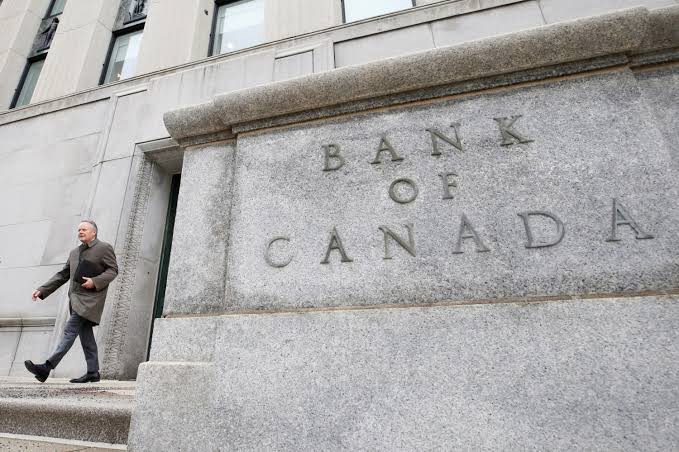
The Bank of Canada held its key interest rate at 2.25 percent on December 10, 2025, a decision widely expected by economists as inflation trends lower and the economy shows stronger-than-anticipated growth. Markets had priced in more than a 90 percent chance of a hold, signaling confidence that current policy settings are appropriate for keeping inflation near target.
This rate hold brings a welcome dose of stability for Canadian buyers, sellers, and homeowners who have navigated several years of rapid rate changes.
Why the Bank of Canada Held at 2.25 Percent
The Bank repeated that the current rate is “about the right level” to keep inflation close to 2 percent while supporting ongoing economic adjustments.
Key factors behind the decision include:
- Inflation easing: October inflation slowed to 2.2 percent, sitting comfortably inside the Bank’s 1 to 3 percent target range.
- Stronger-than-expected GDP: Third-quarter GDP grew at an annualized rate of 2.6 percent, which the Bank described as “surprisingly strong,” although domestic demand remained flat.
- Resilient job market: Canada added over 180,000 jobs between September and November, signaling continued economic strength even as growth slows.
Despite solid data, the Bank expects weaker growth in late 2025 before a gradual pickup in 2026.
What This Means for Your Mortgage
Variable-rate mortgages and HELOCs
A rate hold means:
- Prime rates are unlikely to change
- Variable mortgage and HELOC payments should remain stable
- Borrowers continue benefiting from previous 2025 rate cuts
Fixed-rate mortgages
Fixed rates are influenced by bond yields, which dipped slightly after the announcement. This could support mildly lower 5-year fixed rates, but major drops are unlikely.
Overall, the decision confirms a shift into a more stable interest rate environment.
Impact on Home Buyers in Ontario and Across Canada
For buyers, especially in high-cost markets like the GTA:
- The rate hold provides predictability for budgeting and stress testing
- Affordability remains challenging, but a stable policy rate reduces uncertainty
- First-time buyers now have a clearer sense of what borrowing costs may look like in 2026
Homeowners renewing mortgages will likely face higher rates than their original term but lower rates than the peak of the tightening cycle.
Investors may find opportunity in stronger rental markets, while moderating GDP growth could keep home price acceleration more contained.
Could the Next Move Be a Rate Hike?
While the Bank signaled in October that easing was likely done, recent strong economic data has prompted some economists to suggest the next move could eventually be a hike. However, if a hike does occur, forecasters expect it to be slow and far down the road.
For buyers, this means planning for stable or slightly higher rates, not relying on significant cuts.
Key Takeaways
- The Bank of Canada held its key rate at 2.25 percent, as expected
- Inflation is cooling, GDP surprised to the upside, and job growth remains strong
- Variable mortgage holders see no immediate payment changes
- Fixed-rate borrowers may see slight easing but no major shifts
- A stable rate environment helps buyers budget and prepare for 2026
Canada is now entering a period of moderate, more predictable borrowing conditions – a welcome change after years of volatility.
References (APA Format)
BMO Economics. (2025). Canadian economic outlook and interest rate commentary. Bank of Montreal.
Bank of Canada. (2025). Monetary policy announcement and statement – December 2025. https://www.bankofcanada.ca
Government of Canada. (2025). Consumer Price Index, October 2025. Statistics Canada.
LSEG Data & Analytics. (2025). Market-implied interest rate probabilities. London Stock Exchange Group.
Reuters. (2025). Bank of Canada holds interest rate as economic signals improve. Reuters News.
 Canada Housing Market
Leave a comment