
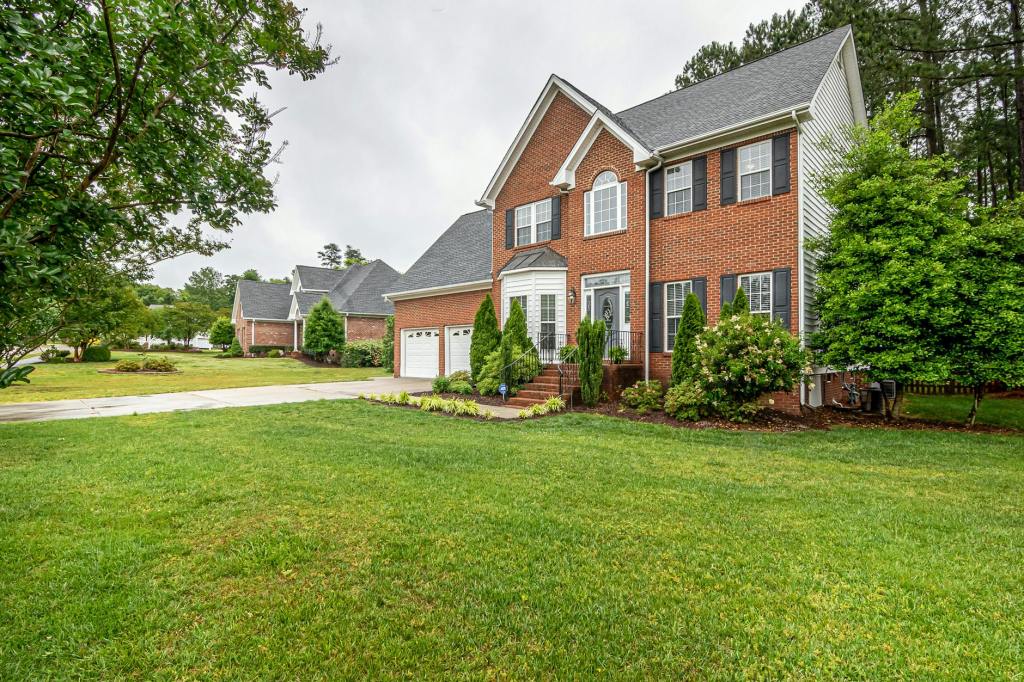
Owning a home used to mean financial freedom, but for many Canadians in 2025, it’s the opposite. They’re house rich, cash poor: sitting on hundreds of thousands of dollars in home equity but struggling to afford groceries, utilities, or mortgage renewals.
According to recent CMHC and Statistics Canada data, household debt is at an all-time high, while disposable income has barely budged. For thousands of families, homeownership no longer feels like success, it feels like survival.
1. Mortgage Renewals Are Crushing Budgets
More than 2.2 million mortgages are set to renew between 2025 and 2026, many at rates double what owners originally locked in.
A typical homeowner who bought in 2020 with a 1.79% rate is now facing renewals between 5.5% and 6.2%, adding $1,000–$1,500 a month to payments.
Even though home values have held steady in most markets, cash flow has not. Many Canadians are tapping into HELOCs or credit cards just to stay afloat.
Quick Fix: Talk to your lender about early renewal options or extending your amortization to 30 years. It might cost more long-term, but it can ease the immediate pressure.
2. Rising Living Costs Are Outpacing Income
Between groceries, gas, insurance, and property taxes, household expenses have skyrocketed faster than wages.
The average Canadian household spends over 63% of after-tax income on housing and living costs, according to RBC’s latest affordability index.
Even if you own your home outright, rising energy, water, and repair bills can eat up savings quickly.
Quick Fix: Review your property tax assessments and challenge them if your valuation is above market value. Every small cut matters when margins are tight.
3. Locked-In Equity You Can’t Access
On paper, your home might be worth $900,000, but unless you sell or refinance, that wealth doesn’t pay the bills.
Lenders have also tightened borrowing standards, meaning fewer Canadians qualify for home equity lines of credit (HELOCs) or cash-out refinancing.
This leaves many homeowners asset-rich but unable to leverage their property to improve liquidity.
Quick Fix: Consider a reverse mortgage (if over 55) or a smaller refinance for renovations that boost value and rental income potential, like basement suites or laneway units.
4. Downsizing Isn’t Easy Anymore
Many Canadians want to downsize, but high closing costs, land transfer taxes, and low inventory make it difficult.
Selling your $1.2-million Toronto home to buy a $900K bungalow elsewhere doesn’t always lead to savings when you factor in moving expenses, capital gains on secondary properties, and market gaps.
Plus, emotional ties and family logistics keep people in houses that no longer fit their finances.
Quick Fix: If downsizing feels too drastic, explore partial rental options — basement apartments, short-term stays, or multi-generational living can offset rising costs.
5. Lifestyle Inflation & Emotional Spending
After buying a dream home, many owners naturally upgrade furniture, cars, or vacations, but those “extras” can trap you in debt.
When variable payments jump, lifestyle spending doesn’t always adjust right away.
This is especially common among dual-income households who stretched to buy at peak prices.
Quick Fix: Track every expense for one month. Cancel unused subscriptions, reduce luxury spending, and funnel extra cash toward emergency savings or mortgage pre-payments.
The Bottom Line
Canada’s housing dream is evolving. Homeownership is still a major wealth builder, but it’s no longer a guarantee of financial comfort.
Being house rich and cash poor means your biggest asset is working against your lifestyle.
If you’re in this position, start planning before your next renewal. Speak with a financial advisor, explore refinancing early, and focus on improving liquidity, not just equity.
For more housing market news, buyer tips, and affordability breakdowns, visit OntarioHousingMarket.com
Subscribe to our newsletter:
Get weekly insights on home prices, real estate trends, and breaking news in Canada’s housing market.
Stay informed. Stay ahead.
 Canada Housing Market
Leave a comment