
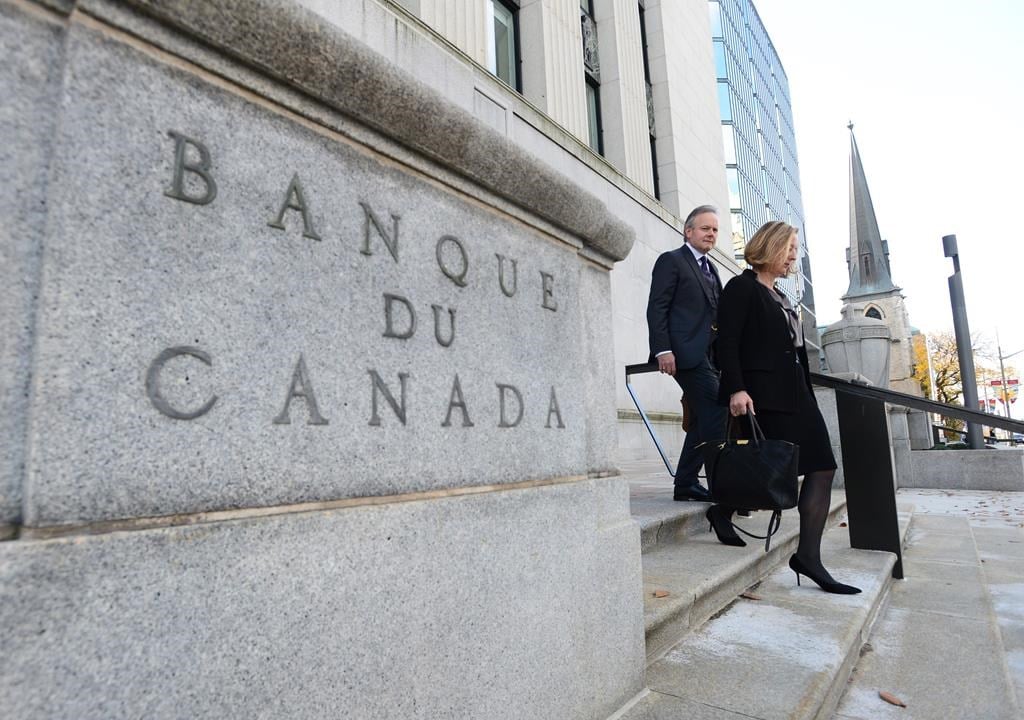
The Bank of Canada has cut its key overnight rate to 2.25%, marking the second consecutive rate cut this year. Policymakers say the move is designed to support a slowing economy as inflation trends near the bank’s 2% target.
Governor Tiff Macklem said the latest cuts, a full 100 basis points since January, are meant to help Canada navigate what he described as a “period of structural transition” rather than a simple cyclical slowdown.
Trade Turbulence and Tariff Pressure
The decision comes amid escalating trade tensions with the United States. Over the weekend, U.S. President Donald Trump announced a new 10% tariff on Canadian goods, following his decision to walk away from trade negotiations with Canada.
Macklem said U.S. tariffs and uncertainty have directly weakened Canada’s export and manufacturing sectors, adding that these trade barriers are “raising costs for businesses and putting upward pressure on inflation.”
According to the Bank’s latest Monetary Policy Report, U.S. protectionism has already led to lower GDP, weaker business investment, and higher unemployment.
Canada’s Economy Is Slowing
The central bank reported that Canada’s GDP contracted by 1.6% in the second quarter of 2025.
- Steel and aluminum exports dropped roughly 25% year-over-year
- Overall exports declined about 5%
- Business investment in machinery and equipment fell sharply
Despite the weakness in trade, consumer spending has remained resilient, supported by vehicle purchases and stronger housing market activity as home sales and housing starts increased.
Inflation and Future Outlook
Headline inflation rose to 2.4% in September, driven by gas and grocery prices, while core inflation remains near 3%. The Bank of Canada expects inflation to stabilize around 2% by early 2026 and stay there through 2027.
Macklem said the central bank may pause further rate cuts if the economy evolves in line with its forecast, calling the current 2.25% level “appropriate to maintain price stability.”
Economic Projections
- GDP Growth: Now projected to average 1.4% through 2026–2027
- Exports: Expected to fall in late 2025, then recover modestly in 2026
- Imports: Set to decline due to tariffs and lower domestic demand
- Global Growth: Forecast to slow to 3% by 2027
The Bank estimates that trade disruptions will leave Canada’s GDP about $40 billion lower than projected by the end of 2026.
Upcoming Federal Budget
Next week, Prime Minister Mark Carney is set to release his government’s first federal budget, promising “generational investments” alongside fiscal restraint.
The Bank of Canada says its outlook already includes new federal spending commitments, including a $9 billion increase in defense funding, and expects government spending to grow moderately over the next two years.
What’s Next
The next Bank of Canada interest rate decision is scheduled for December 10, 2025.
Until then, all eyes are on the U.S.-Canada trade relationship, which continues to drive economic uncertainty and shape Canada’s recovery path.
Subscribe to our newsletter:
Get weekly insights on home prices, real estate trends, and breaking news in Canada’s housing market.
Stay informed. Stay ahead.
 Canada Housing Market
Leave a comment