
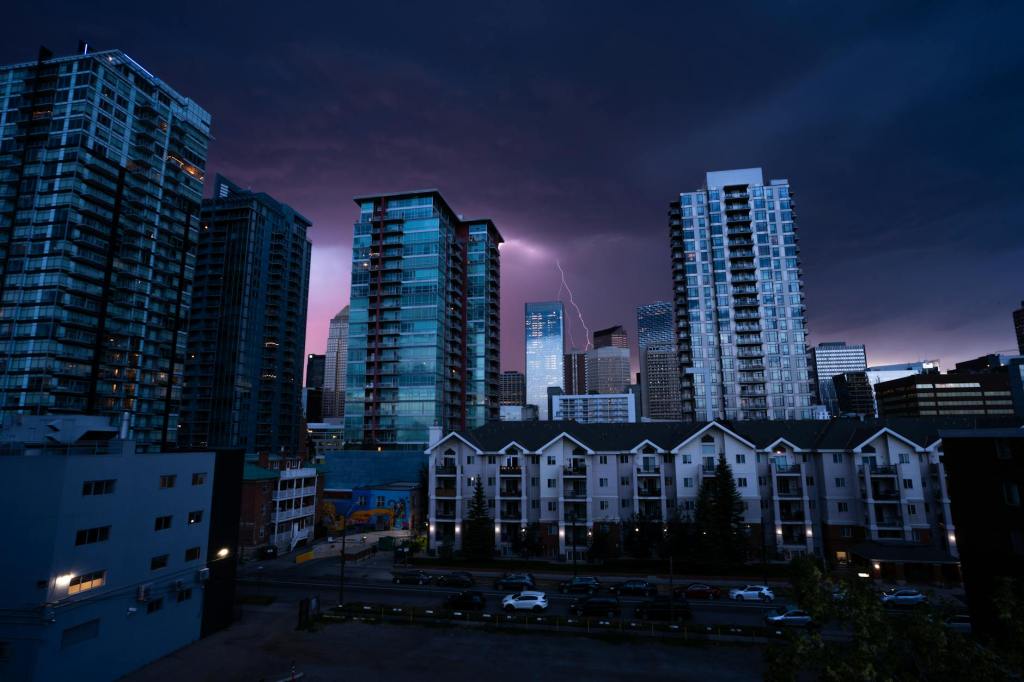
Alberta is often seen as a safe and prosperous province, but specific urban areas, particularly in its largest cities, are experiencing elevated crime levels. Our 2025 ranking highlights these neighbourhoods based on Crime Severity Index (CSI) data, local police insights, and media coverage.
🧠 How We Compiled the Rankings
To identify high-risk areas, we used:
- Statistics Canada CSI from 2023–2024, focusing on violent and property crime severity.
- City-level police reports and crime dashboards (notably Calgary, Edmonton, and Red Deer).
- Local media coverage of hotspot incidents, repeat offenses, and public safety alerts.
We focused on specific neighbourhoods or census tracts, avoiding sweeping judgments about entire cities.
🔥 Top 4 Most Dangerous Neighbourhoods in Alberta
1. Edmonton – Downtown & Area (Oliver, Boyle Street)
- CSI ~200–220, significantly above Edmonton’s city average (~128)
- Known for persistent issues with violent offences, street-level drug activity, and repeat assault incidents
- Emergency services frequently targeted in known hotspots near shelters and transit hubs
2. Calgary – Northeast (Crescent Heights, Forest Lawn)
- CSI ~160–180
- Ongoing challenges with gang-related violence, property break-ins, and car theft clusters
- Media and police cite higher emergency calls and multi-unit building issues
3. Red Deer – Central / Old Town
- CSI ~150
- Local reporting shows increased property theft, vandalism, and public disorder problems
- While smaller in scale, this neighbourhood is a repeat focus for Red Deer RCMP and downtown intervention programs
4. Lethbridge – Wharncliffe & South Side
- CSI ~140–150
- Elevated property crime and some violent incidents tied to repeat offenders
- Policing data highlights this as a consistent area for public order and outreach efforts
📋 Summary Table
| Rank | Neighbourhood (City) | Estimated CSI | Major Crime Drivers |
|---|---|---|---|
| 1 | Downtown & Oliver / Boyle Street (Edmonton) | ~200–220 | Assaults, overdoses, drug-related crime |
| 2 | Crescent Heights / Forest Lawn (Calgary) | ~160–180 | Gang activity, vehicle thefts, property crime |
| 3 | Central / Old Town (Red Deer) | ~150 | Downtown thefts, vandalism, disorder |
| 4 | Wharncliffe & South Side (Lethbridge) | ~140–150 | Repeat offenders, street-level crimes |
⚠️ How to Use This Info Safely
- These CSI-based hotspots are specific pockets, not reflective of entire cities.
- Crime Severity Index enables apples-to-apples comparison across regions.
- Local redevelopment, social programs, or police initiatives may improve these neighbourhoods rapidly, stay updated.
🧱 Tips for Safer Housing Choices
- Examine police service area crime dashboards or stats for targeted data.
- Visit neighbourhoods in person, not just in daylight; evening glimpses matter.
- Watch local news or community posts, they can reveal recent issues not reflected stat-wise.
- Balance safety with change potential: some high-CSI zones may have renovation or development momentum.
✅ Final Thoughts
Alberta remains one of Canada’s top provinces for growth, opportunity, and general safety. Yet, knowing which neighbourhoods carry elevated risks empowers smarter decisions for renters, buyers, and families in 2025.
These 5 Calgary Neighbourhoods Have Homes Selling the Fastest Right Now – Canada Housing Market
📚 References
- Statistics Canada – Crime Severity Index by Census Tract, Alberta (2023–2024)
- Edmonton & Calgary Police Service crime maps and annual reports
- City of Red Deer RCMP downtown incident logs
- Lethbridge Police Service public safety bulletins
- Alberta media outlets reporting crime trends in Oliver, Forest Lawn, and Red Deer
Subscribe to our newsletter:
Get weekly insights on home prices, real estate trends, and breaking news in Canada’s housing market.
Stay informed. Stay ahead.
 Canada Housing Market
Leave a comment