
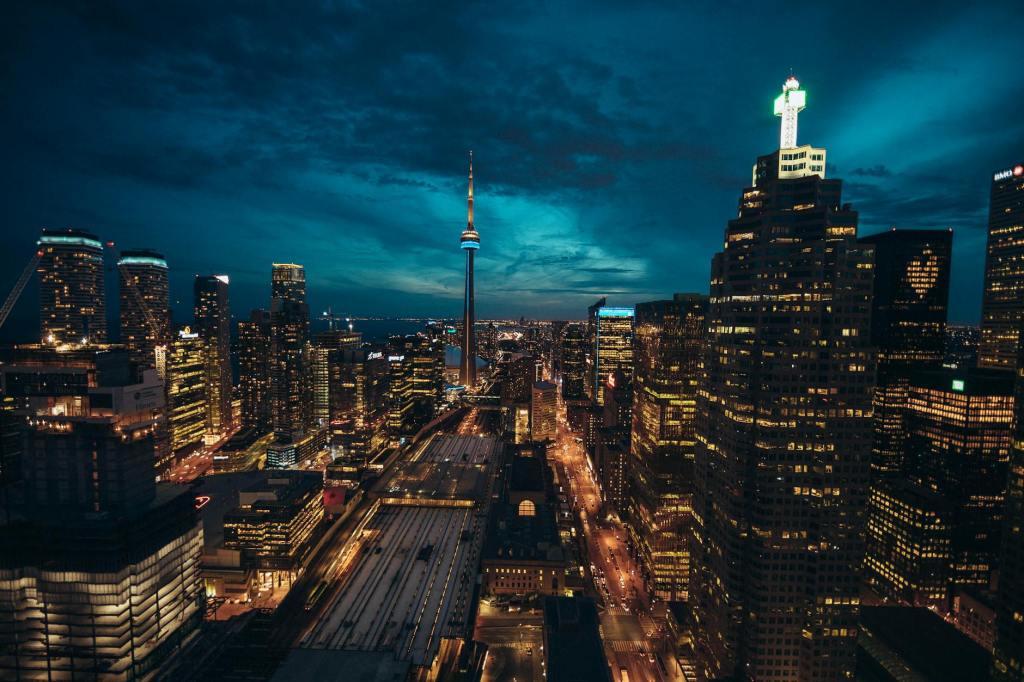
Toronto has been ranked among the least affordable cities globally in the latest Global Cities Index by Oxford Economics. Experts say that without bold, immediate policy reform, the housing crisis will continue to push families and first-time buyers out of the market.
Toronto Residents Spend More on Housing Than Almost Anywhere
According to the 2025 report, Toronto residents are now spending a larger share of their income on housing than residents in nearly any other major city worldwide. Despite a small year-over-year drop in home prices, the average price still sits above $1.1 million in the Greater Toronto Area.
What’s Driving the Affordability Crisis?
Housing experts and economists point to three major issues:
- Excessive development fees: In Toronto, charges can exceed $100,000 per home and reach double that in parts of the GTA.
- Restrictive zoning and slow planning approvals: Many housing projects remain stuck in the pipeline due to outdated regulations and lengthy municipal processes.
- Unrelenting demand: Driven by population growth, including nearly 300,000 newcomers settling in the region last year alone.
Frank Clayton, a senior research fellow at Toronto Metropolitan University, explains that developers are forced to raise prices to offset high upfront costs. “Builders won’t build unless they can cover their costs,” he said.
300,000 Homes Are Ready – But Stuck
Mayor Olivia Chow highlighted that over 300,000 new housing units are “shovel-ready” but can’t proceed due to funding shortfalls and red tape. The City of Toronto offers a program that defers development charges for projects with at least 20% affordable units, but demand far exceeds the city’s current budget.
Calls to Fix Outdated Housing Taxes
Dave Wilkes, president of BILD (Building Industry and Land Development Association), emphasized the need to revise the harmonized sales tax (HST), which hasn’t been updated since 1991. He argues that changing the HST formula could reduce costs by 13% on the first $1 million of a new home.
Wilkes also criticized the federal government’s recent promise to remove GST on homes under $1 million, saying it misses the mark for a city where most homes are priced far above that threshold.
Demand Will Bounce Back — But Will Supply?
Jason Mercer, Chief Market Analyst at the Toronto Regional Real Estate Board, warned that while affordability has slightly improved due to lower interest rates and a dip in prices, demand will return, and if housing supply doesn’t keep pace, prices will spike again.
“We haven’t done a good job keeping up with housing supply to match population growth,” said Mercer.
A Systemic Problem Years in the Making
Clayton says the roots of the crisis trace back to Ontario’s land-use changes in the early 2000s, including the creation of the Greenbelt. These policies restricted where new homes could be built and discouraged the construction of townhomes and detached homes — the housing types most in demand.
“We need a competitive supply of land,” Clayton added. “When land is limited, prices only go up.”
Experts Agree: Time Is Running Out
While multiple levels of government have introduced housing reforms in recent years, including Ontario’s recent housing bill and the federal housing accelerator fund, experts say it’s not enough.
“The time for discussion is over,” said Wilkes. “We need action now — before more people give up on living in the GTA.”
References
Oxford Economics Global Cities Index
Toronto ranks among worst cities for housing costs: study
 Canada Housing Market
Leave a comment