
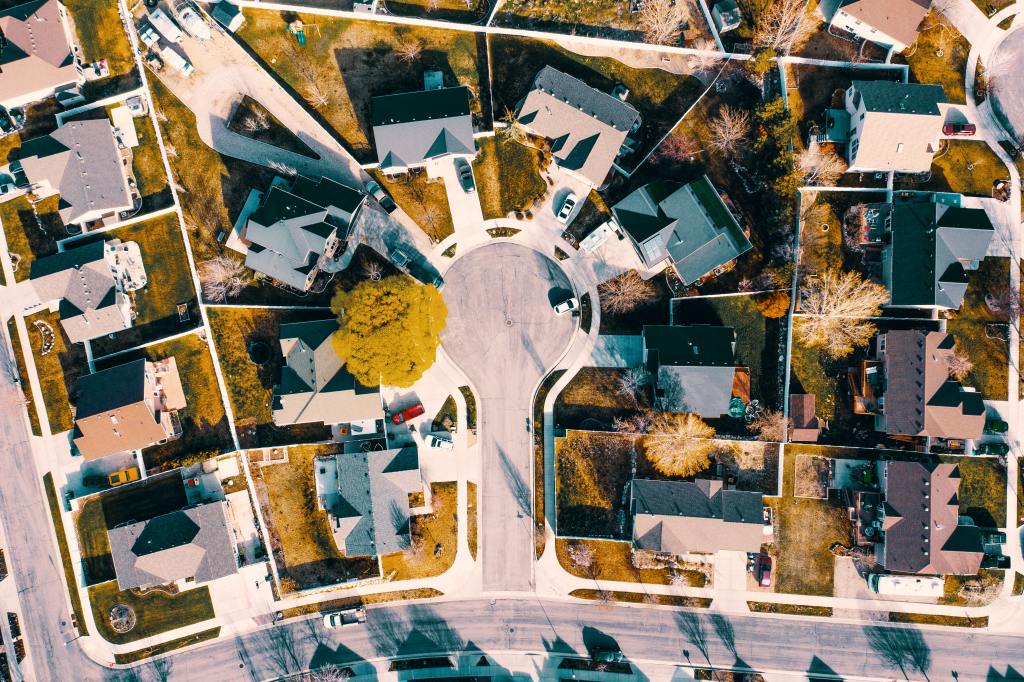
As the urban landscape rapidly evolves, the idea of the “15-Minute City” has gained momentum, promising a utopian vision of urban living (Bohn & Viljoen, 2017). Yet, amidst the allure of convenience and sustainability, we must take a critical look at the potential downsides that this concept may bring. While the 15-Minute City has its merits, we must not overlook the darker implications it could have on our communities, personal freedoms, and the very essence of what makes cities vibrant and diverse.
The Seductive Promise of the 15-Minute City
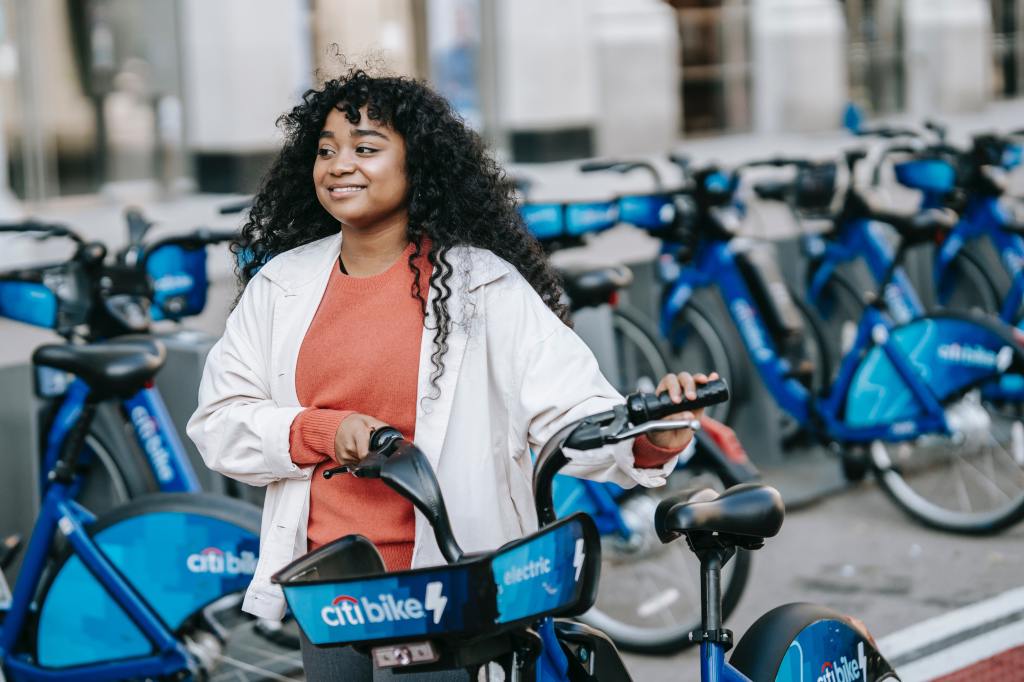
At first glance, the 15-Minute City appears to be an urban paradise (Bohn & Viljoen, 2017). The concept aims to create self-sufficient neighborhoods where every necessity is within a short walk or bike ride (Bohn & Viljoen, 2017). This notion of walkable communities seems enticing, promising to reduce commuting stress, enhance health, and encourage a stronger sense of belonging (Bohn & Viljoen, 2017). Advocates paint a picture of vibrant mixed-use neighborhoods, where residents can seamlessly blend their work, leisure, and family life (Bohn & Viljoen, 2017).

The Mirage of Affordability
One of the most alluring promises of the 15-Minute City is increased affordability (Bohn & Viljoen, 2017). However, this might be nothing more than a mirage. The concentration of amenities and services in such neighborhoods may lead to skyrocketing property prices, as demand for limited housing surges (Bohn & Viljoen, 2017). As a result, low and middle-income families may find themselves further marginalized, forced to search for more affordable options far from the city center (Bohn & Viljoen, 2017).
The Erasure of Urban Diversity
While proponents tout social cohesion as a benefit, the 15-Minute City could inadvertently lead to homogenized urban spaces (Bohn & Viljoen, 2017). The emphasis on mixed-use development may stifle the distinct character of different neighborhoods (Bohn & Viljoen, 2017). Cities thrive on their diversity – the cultural enclaves, the bohemian quarters, the bustling business districts (Bohn & Viljoen, 2017). By ironing out these unique features in favor of uniformity, we risk eroding the vibrant tapestry that defines urban living (Bohn & Viljoen, 2017).

The Lost Connection to Nature
In the rush to create compact, hyper-connected neighborhoods, we might forget the importance of nature in urban spaces (Bohn & Viljoen, 2017). The 15-Minute City could prioritize concrete over green spaces, leaving residents disconnected from the natural world (Bohn & Viljoen, 2017). This disconnection from nature not only impacts our physical and mental well-being but also hampers our understanding of environmental issues, hindering our ability to address pressing challenges like climate change (Bohn & Viljoen, 2017).
The Cost of “Freedom”
The 15-Minute City promises freedom from long commutes, but it may come at a cost (Bohn & Viljoen, 2017). By limiting our mobility within smaller zones, we risk constraining individual choices and aspirations (Bohn & Viljoen, 2017). For some, the allure of suburban living with spacious homes and proximity to nature might be replaced by a cookie-cutter urban existence (Bohn & Viljoen, 2017). Personal preferences and lifestyles could be overshadowed by the one-size-fits-all approach, inadvertently stifling the essence of true freedom (Bohn & Viljoen, 2017).
The Challenge of Implementation
Even if we embrace the vision of the 15-Minute City, the challenges of implementation loom large (Bohn & Viljoen, 2017). Rethinking and redesigning established cities to conform to this concept demand massive investments, time, and political will (Bohn & Viljoen, 2017). Moreover, it might encounter resistance from powerful stakeholders vested in traditional urban planning models, further delaying or compromising its execution (Bohn & Viljoen, 2017).

Conclusion
While the idea of the 15-Minute City promises a tantalizing glimpse of urban living (Bohn & Viljoen, 2017), we must tread carefully before fully embracing this vision. The potential downsides of eroding affordability, urban diversity, nature connection, and individual freedom are too significant to ignore (Bohn & Viljoen, 2017). As we venture into the future, let us question whether the 15-Minute City is the right path forward or if it risks turning our cities into soulless, homogenized shells of their former selves (Bohn & Viljoen, 2017). The direction we choose now will shape the cities we leave behind for future generations, and it is crucial to balance the allure of convenience with the preservation of what truly makes our cities extraordinary (Bohn & Viljoen, 2017).
References
- Bohn, K., & Viljoen, A. (2017). The 15-Minute City: Designing Urban Spaces for All. Taylor & Francis.
- Calthorpe, P. (2020). Urbanism in the Age of Climate Change. Island Press.
- Florida, R. (2005). The Rise of the Creative Class: And How It’s Transforming Work, Leisure, Community and Everyday Life. Basic Books.
- Glaeser, E. L. (2011). Triumph of the City: How Our Greatest Invention Makes Us Richer, Smarter, Greener, Healthier, and Happier. Penguin Books.
- Katz, B. (1995). The Urban Frontier: Pioneer Life in Early Pittsburgh, Cincinnati, Lexington, Louisville, and St. Louis. Ohio University Press.
- Kunstler, J. H. (1993). The Geography of Nowhere: The Rise and Decline of America’s Man-Made Landscape. Simon & Schuster.
- Morris, A. E. J. (2004). History of Urban Form: Before the Industrial Revolutions. Routledge.
- National Association of City Transportation Officials (NACTO). (2017). Global Street Design Guide. Island Press.
- Newman, P., & Kenworthy, J. (2019). Cities and Automobile Dependence: An International Sourcebook. Routledge.
- Sassen, S. (2012). Cities in a World Economy. SAGE Publications.
- UN-Habitat. (2016). New Urban Agenda. United Nations.
- World Health Organization (WHO). (2016). Urban Green Spaces and Health: A Review of Evidence. WHO Regional Office for Europe.
 Canada Housing Market
Leave a comment